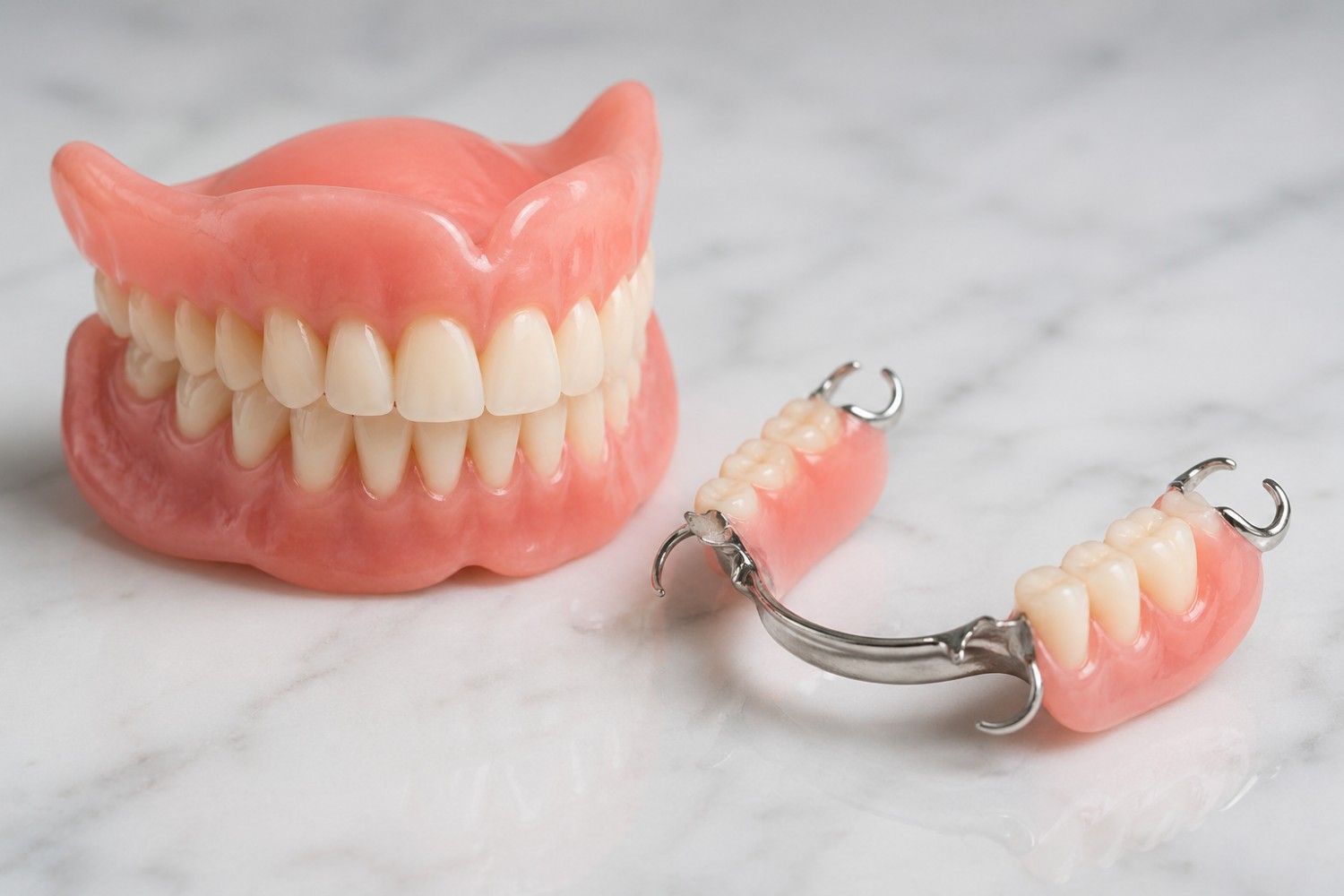
Have you lost one or more teeth and wonder how it may affect your appearance, chewing and overall oral health? Teeth play a very important role in physical appearance. The absence of even one tooth may affect the shape of a person’s face. It can also create difficulty in chewing as well as speaking. Dentures in NW Calgary are a reliable solution designed to restore your teeth and confidence. Being aware of the differences between full and partial dentures will help you decide which option is best for you and your lifestyle.
What are Full Dentures?
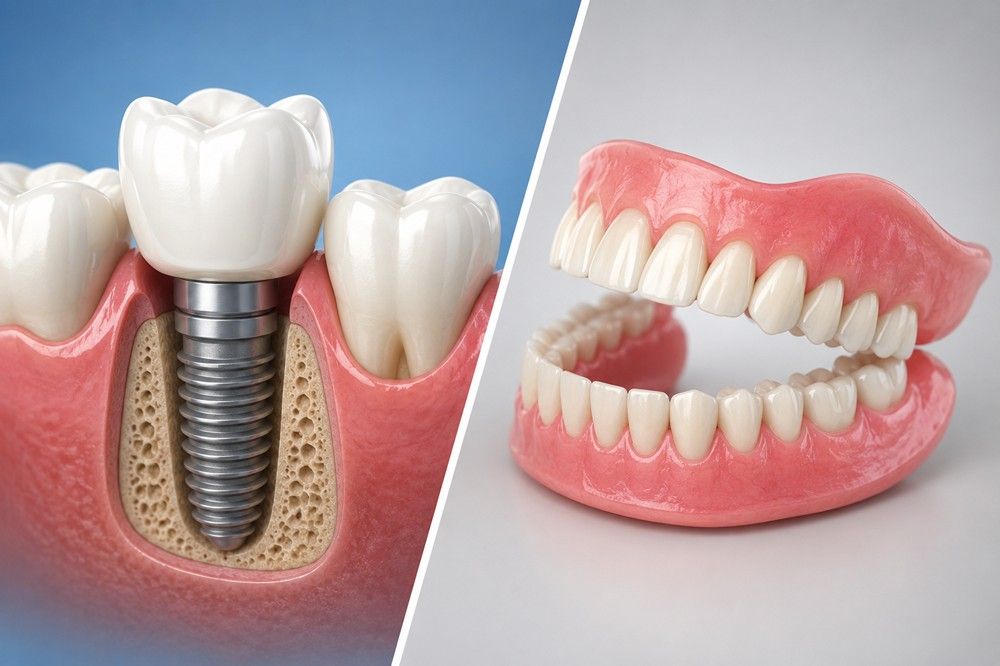
Full dentures, also known as complete dentures, replace all the teeth in either your upper or lower jaw. They are custom-made to sit comfortably on your gums, helping you eat, speak, and smile naturally.
Benefits of full dentures include:
- Restore your ability to chew and speak clearly.
- Support facial muscles to prevent a sunken look.
- Improve self-confidence and smile aesthetics.
Full dentures are specially crafted to match the shape of your mouth for a comfortable fit and proper use. They are usually suggested when all natural teeth are lost or must be removed because of decay or damage.
What are Partial Dentures?
When some natural teeth are left, partial dentures can be used. These artificial teeth dentures have replacement teeth attached to a gum-colored base. Many artificial teeth dentures have a metal framework that clips onto your own existing teeth.
Advantages of partial dentures:
- Fill gaps between remaining teeth.
- Prevent teeth from shifting out of position.
- Easier to remove and clean compared to full dentures.
- Can be adjusted as natural teeth change over time.
Partial dentures are a flexible solution for patients who still have healthy teeth and want to maintain them while replacing the missing ones.
Full Dentures vs Partial Dentures: Difference
Understanding the full dentures vs partial dentures difference is important to choose the right type.
| Factor | Full Dentures | Partial Dentures |
| Teeth Replacement | Replaces all teeth in an arch | Replaces only missing teeth |
| Attachment | Sits on gums, may use adhesives | Clips onto existing teeth |
| Cost | Generally higher | Usually lower than full dentures |
| Maintenance | Requires daily cleaning, soaking overnight | Easy removal, daily cleaning |
| Oral Health | Good for severe tooth loss | Preserves remaining natural teeth |
How Dentures Improve Daily Life
Wearing dentures can significantly improve your daily life. They help with:
- Chewing and digestion: Properly fitted dentures make it easier to eat a variety of foods.
- Speech: Dentures help with pronunciation and prevent slurred speech caused by missing teeth.
- Self-esteem: Restoring a full smile can boost confidence in social and professional settings.
What Happens if I Don’t Replace Missing Teeth With Dentures?
Many people ask, “What happens if I don’t replace missing teeth with dentures?”
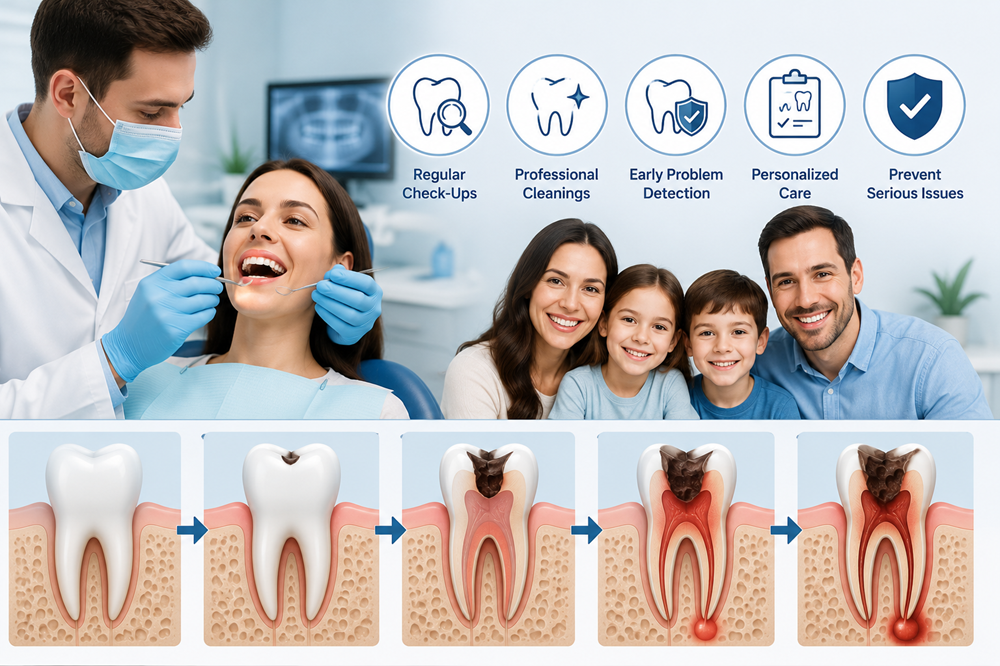
- Teeth shifting: As other teeth drift toward the area where a tooth is missing, it can change how they bite together.
- Jawbone shrinking: The absence of a tooth can contribute to the shrinking of your jawbone.
- Harder to eat: Chewing becomes difficult, limiting what you can eat.
- Speech problems: Missing teeth can make it hard to say some words.
- More dental problems: Gaps from missing teeth can catch food, causing cavities and gum issues.
Getting dentures soon after losing teeth helps prevent these problems and keeps your mouth healthy.
How to Choose Between Full and Partial Dentures
Choosing the right denture depends on a few factors:
- Number of missing teeth: Full dentures replace all teeth, while partial dentures replace only some.
- Health of your other teeth: If your other teeth are healthy, partial dentures can work. If many teeth are damaged, full dentures are better.
- Cost: Partial dentures usually cost less at first, but you should also think about care over time.
- Comfort and daily life: Full dentures may take time to get used to, while partial dentures often feel natural right away.
Caring for Your Dentures
Good care of your dentures will help them to last long and work well. Find out how.
- Each day, clean your dentures with a glue brush made of soft bristles.
- After meals, rinse to eliminate the food.
- Overnight, soak your dentures in cleaning solution.
- Avoid hot water, because it will change their shape.
- Visit a dental clinic in NW Calgary regularly to make sure they fit properly.
Take the First Step Toward a Confident Smile!
A missing tooth shouldn’t impact your daily life or confidence. Northland Dental Choice is home to an experienced dentist near you who creates custom full and partial dentures that fit your mouth comfortably, allow you to chew and speak properly, and give you a natural-looking smile. You can schedule your consultation today for an Oral treatment service to get the smile you deserve!
FAQs
Can I eat normally with dentures?
Yes! Start with soft foods like soups or yogurt, then slowly try harder foods as you get used to them. With practice, most people eat comfortably again.
Do dentures impact pronunciation?
Your dentures may make you lisp or have difficulty saying certain words at first. When people practice and use their speech regularly, it becomes smooth and natural.
Can dentures stop jawbone loss?
Dentures will help keep your facial shape, but your bones still shrink. The jawbone will be protected better in the long-term with dental implants.
Are dentures removable?
Yes, dentures can be taken out for easy cleaning, soaking, and comfort adjustments. Regular removal also keeps gums healthy and dentures fitting well.