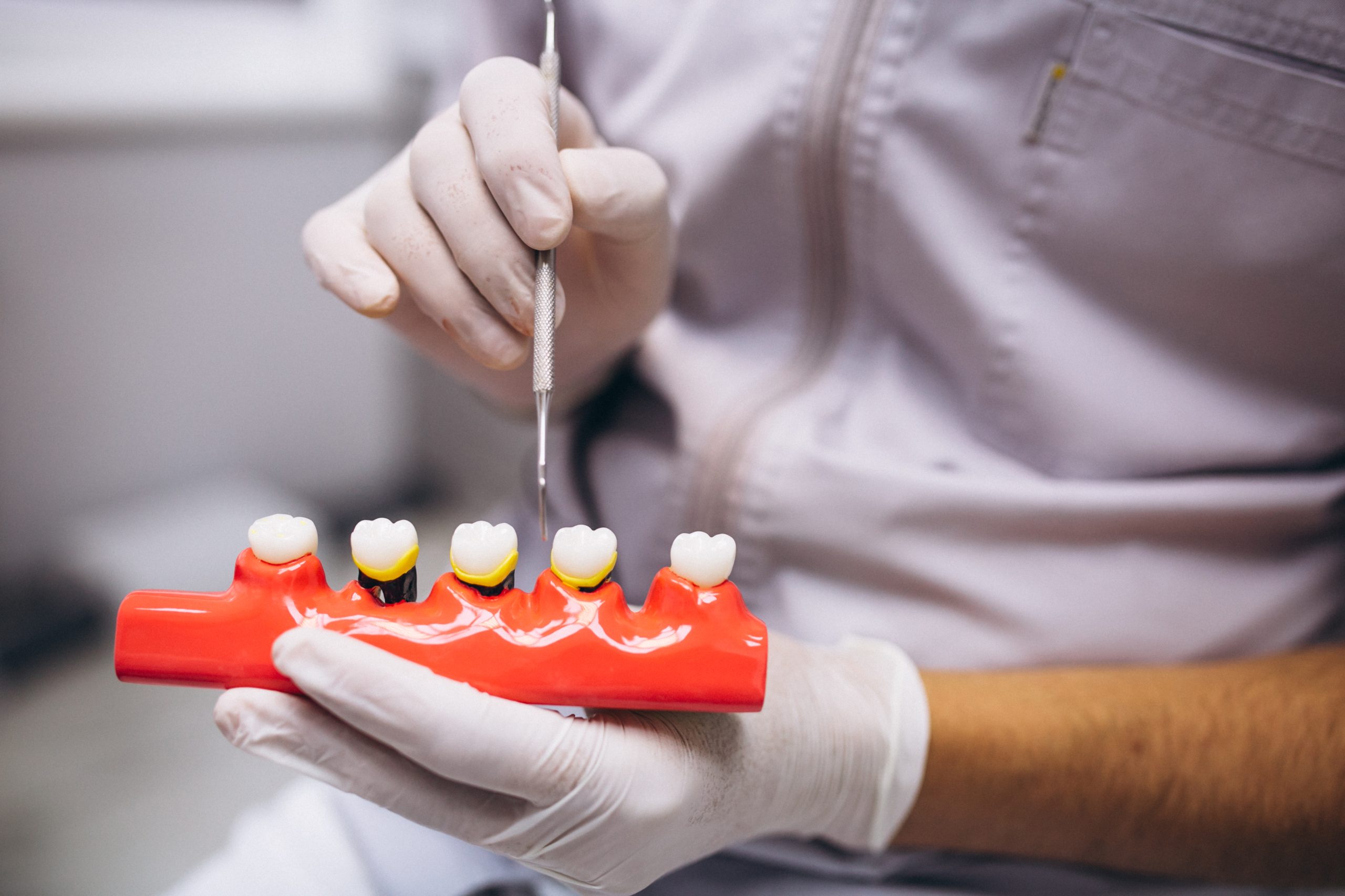
Deciding to fix your smile is a great way to feel more confident. For many people, getting dental implants in NW Calgary is the best way to replace a missing tooth.
While these work well for almost everyone, it is still a type of surgery. This means there are a few risks you should know about before you start.
Understanding what could go wrong and how to stop those problems is the best way to make sure your new tooth stays strong for life. With good care and a great dental team, you can have a beautiful smile without the stress.
What Is a Dental Implant?
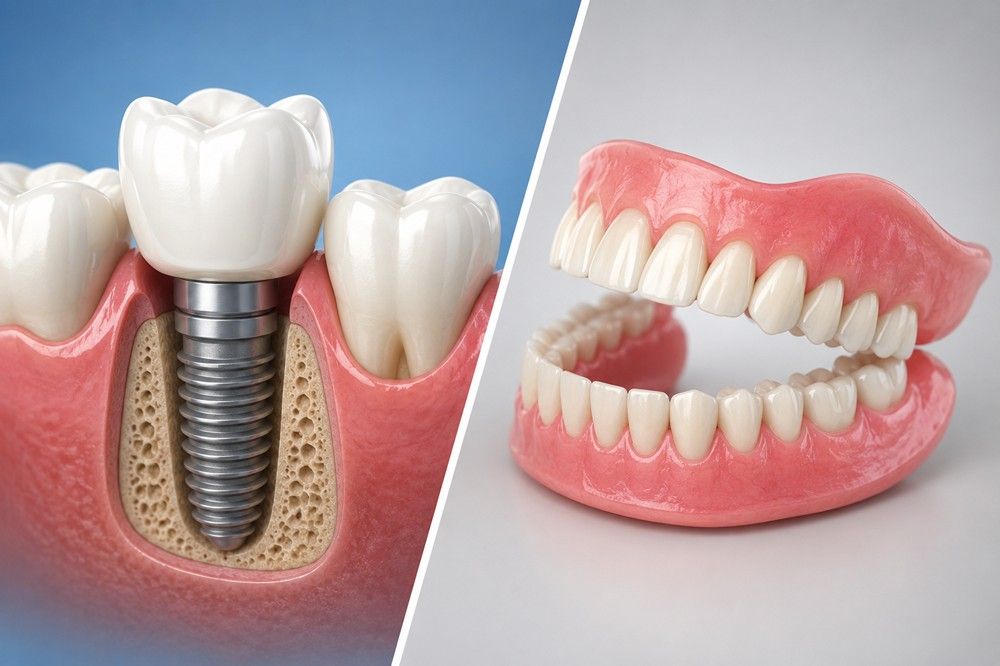
Before we talk about safety, many people ask: What are dental implants? Think of an implant as a tiny metal “root” for a new tooth. It is a small titanium post that a doctor places into your jawbone. Over a few months, your bone grows around the post to hold it steady.
Once it is firm, a custom tooth (called a crown) is attached to the top. It looks, feels, and acts just like a real tooth that grew there naturally.
Why We Need Dental Implants?
You might wonder: why do we need implants instead of just leaving a gap where a tooth used to be. When a tooth is missing, the bone underneath starts to shrink because it has nothing to hold onto.
This can make your other teeth shift out of place or change the shape of your face. Implants are the only way to keep your jawbone strong and healthy. They also let you eat whatever you want and speak clearly without worrying about a gap.
Is the Surgery Safe?
A very common question is: Is Dental Implants Risky? While no surgery is perfect, problems are very rare.
Most issues, like a small infection or slow healing, are easy for a dentist to fix if they catch them early. The biggest risks usually come from things like smoking or not keeping your mouth clean while you heal.
If you follow the rules your dentist gives you, the chance of everything going perfectly is very high.
Checking Your Healing Progress
| What You Feel | Normal Healing | A Possible Problem |
| Pain | A bit sore for 3–5 days | Sharp pain after a week |
| Stability | Feels solid and firm | Feels loose or wiggly |
| Gums | Pink and healthy | Dark red or very swollen |
| Feeling | Numbness wears off quickly | Lasting tingling or no feeling |
| Body | Normal temperature | Having a fever or chills |
Stopping Infections Before They Start
To make sure you heal well, it is smart to find a trusted dentist near you who can check on you after the surgery.
The main risk is a gum infection around the new post. You can prevent this by following these simple tips:
- Rinse Gently: Use warm salt water to keep the area clean during the first week.
- Stop Smoking: Tobacco stops blood from helping the gums heal and is the #1 reason implants fail.
- Eat Soft Foods: Stick to smoothies, soup, and yogurt for a while so you don’t push too hard on the new post.
Why Good Planning Matters
The best way to avoid risks like hitting a nerve is to visit a high-tech dental clinic in NW Calgary. Modern offices use 3D X-rays to see exactly where everything is inside your jaw before they start. This “map” helps the doctor place the post in the perfect spot.
When the surgery is planned out carefully, it removes almost all the guesswork and makes the whole process much safer for you.
Taking Care of Your New Tooth Long-Term
Even after your tooth is fully healed, you still need to look after it. When you look for dental implants near you, pick a team that offers regular cleanings.
Your new tooth can’t get a cavity, but the gums around it still need to stay healthy.
- Floss Daily: Use special floss to clean around the base of the implant.
- Wear a Guard: If you grind your teeth at night, a mouthguard protects the new tooth from cracking.
- Regular Visits: See your dentist twice a year to make sure the bone is still holding the post tight.
Rebuilding the Bone First
Sometimes, a risk happens because the jawbone is too thin to hold a post. To prevent this, your dentist might suggest a “bone graft.” This is a way to add a little extra bone to the area to make it thicker. It creates a much stronger foundation for the implant.
While it adds an extra step, it makes it much more likely that your new tooth will stay in place for the rest of your life.
A Healthy Smile for Your Future
Fixing your teeth is a great move for your health. While there are some risks, they are easy to avoid if you have a good plan and keep your mouth clean.
By working with a skilled team and following the rules at home, you can make sure your new smile lasts a long time. We are here to help you every step of the way.
At Northland Dental Choice, we want to help you get the smile you’ve always wanted in the safest way possible.
Are you ready to find out if dental implants are right for you? Contact Northland Dental Choice today to book a visit and start your journey to a better smile!
Frequently Asked Questions
What if my body doesn’t like the implant?
It is very rare for a body to “reject” titanium. Usually, if there is a problem, it is because of an infection that can be treated with medicine.
Does the procedure hurt?
The dentist will numb the area completely, so you won’t feel pain while they work; most people say it feels like getting a regular filling.
How long does it take to get the final tooth?
It usually takes 3 to 6 months for the bone to get strong enough to hold the final tooth, but you can often wear a temporary one until then.
Can I get an implant if I smoke?
Yes, but you have a higher risk of problems; most dentists ask you to stop smoking for a few months to help the bone heal.