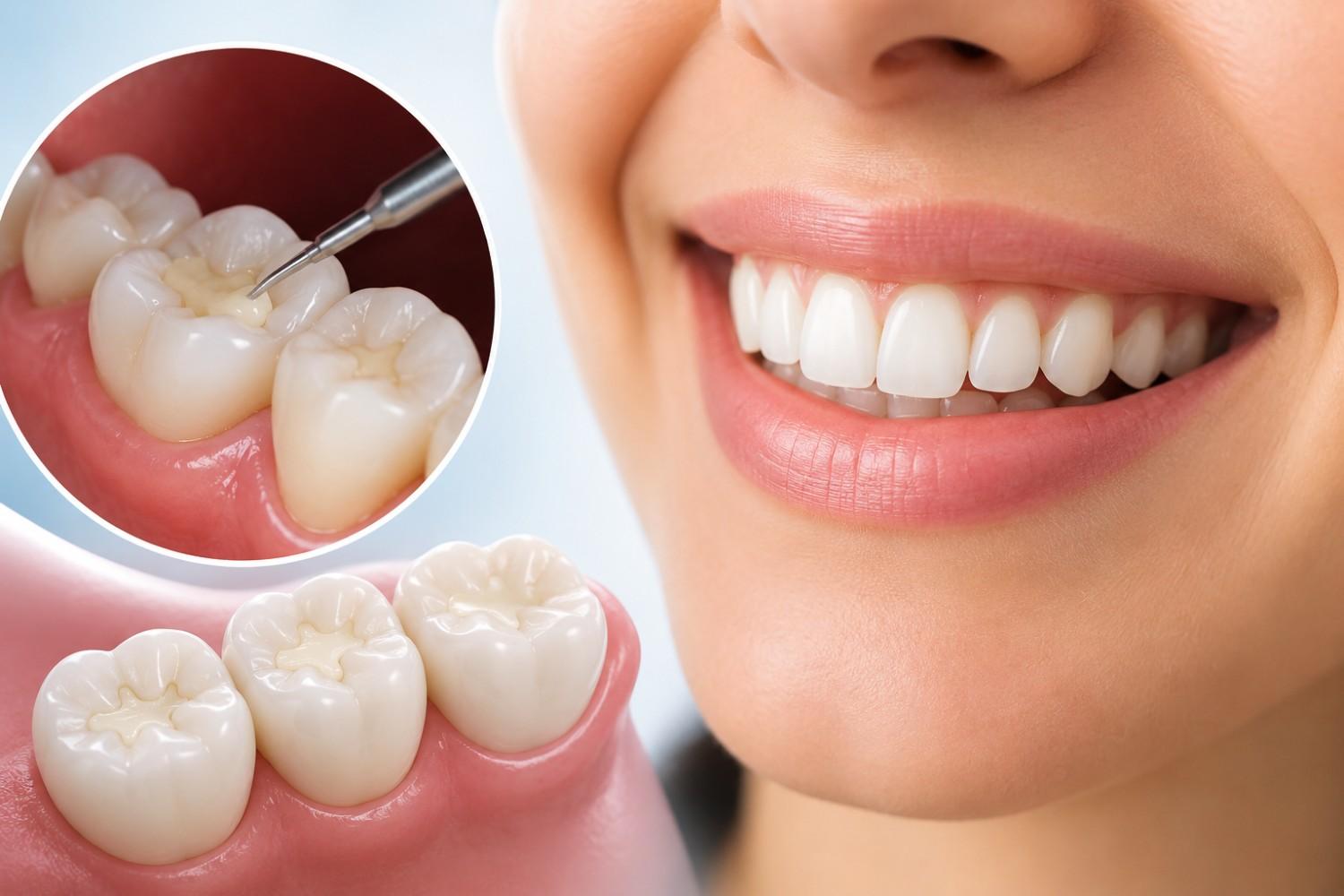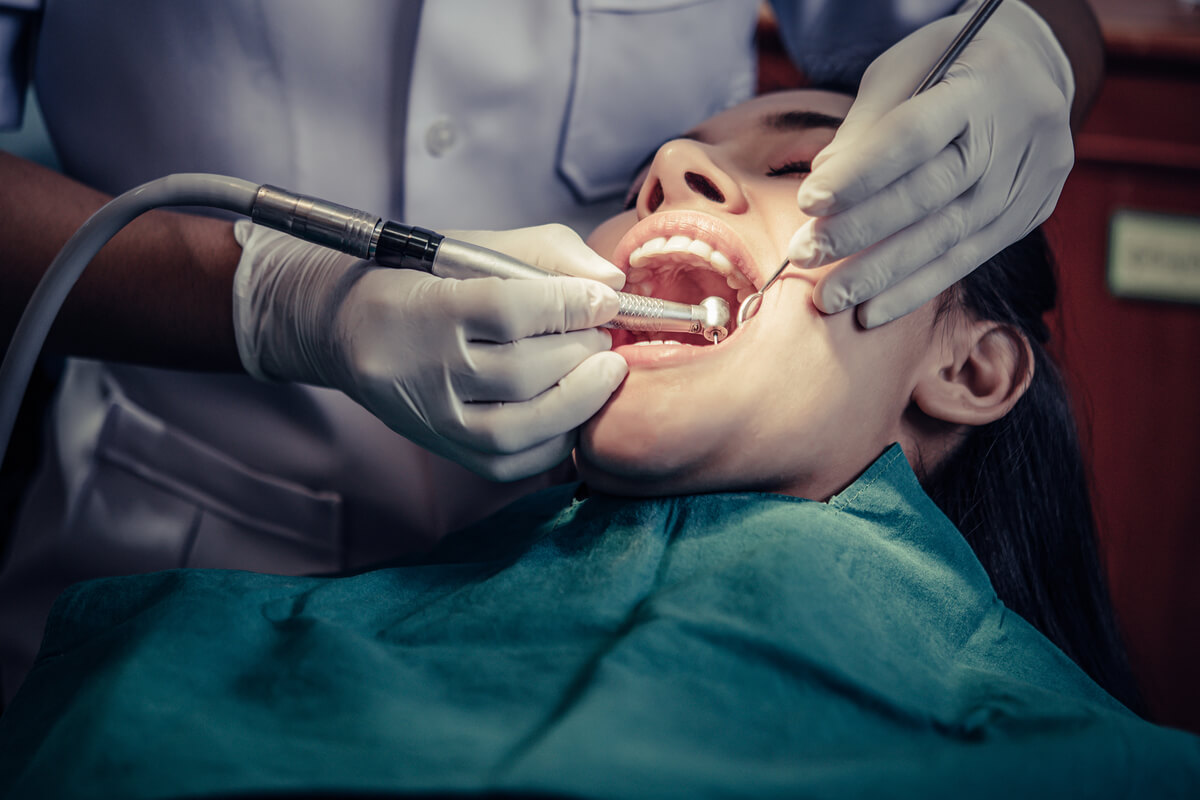
How should you care for your dental implants after the procedure? Dental implants are a reliable way to replace missing teeth and restore your smile. Many patients choose dental implants in NW Calgary because they look natural and work like real teeth. After the implant procedure, proper care is very important. Following the right aftercare steps helps the implant heal properly and lowers the risk of problems.
Recovery after implant surgery usually takes a few weeks, while full healing may take several months. Knowing the right tips for recovery can help protect your implant and support healthy healing.
Why Dental Implant Aftercare Matters
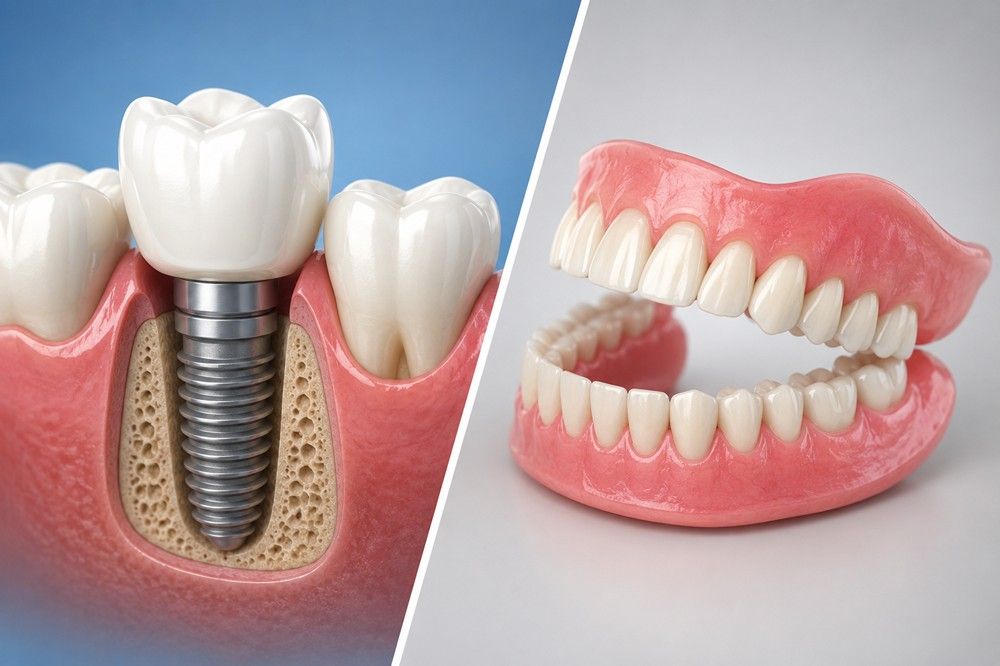
Dental implants are placed into the jawbone to support an artificial tooth. After the procedure, the implant must heal and bond with the bone. This process helps the implant stay stable and function like a natural tooth.
Following the proper precautions to take after dental implants helps prevent infection, swelling, or discomfort during recovery.
Good aftercare can help:
- Support faster healing
- Reduce swelling and pain.
- Protect the implant site.
- Prevent infection
- Improve the long-term success of the implant.
Simple daily habits make a big difference in how well your implant heals.
What Happens After Dental Implant Surgery?
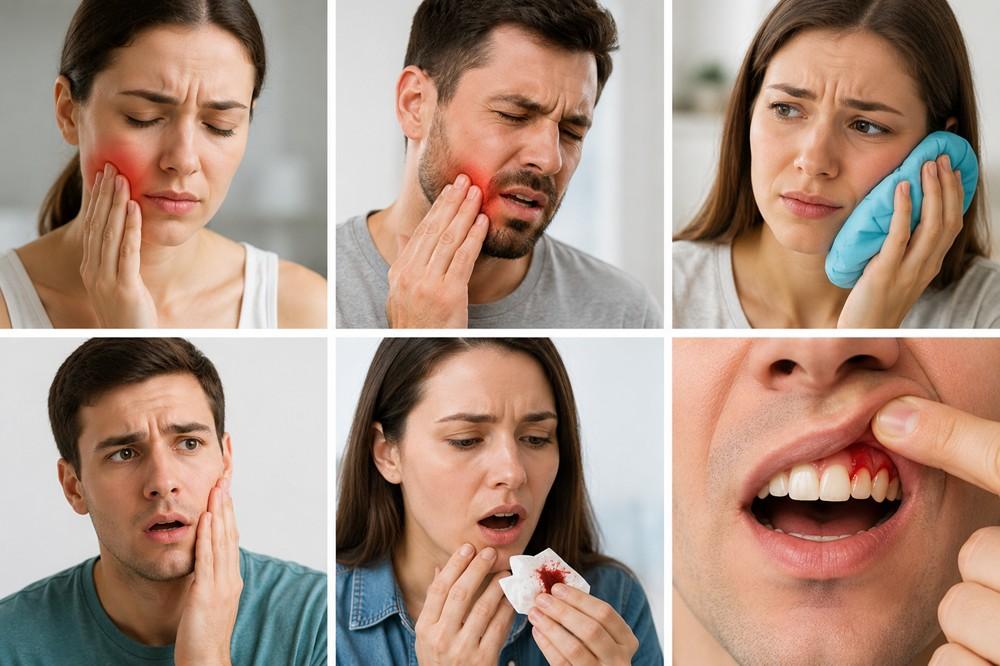
After receiving dental implants near you, it is normal to experience mild swelling, slight bleeding, or tenderness for a few days. These symptoms usually improve quickly when patients follow proper care instructions.
During the healing stage:
- The gum tissue begins to close around the implant.
- The implant gradually bonds with the jawbone.
- The area becomes stronger over time.
Most patients can return to normal daily activities within a day or two, but full healing requires patience.
First 24 Hours: Important Care Steps
The first day after implant surgery is the most important for healing. Patients should focus on rest and protecting the implant area.
If you visit a dental clinic near you for implant treatment, you will usually receive these basic instructions.
Immediate Aftercare Tips
- Rest and avoid heavy activity.
- Bite gently on gauze to control bleeding.
- Apply an ice pack to reduce swelling.
- Avoid touching the implant area.
- Do not rinse or spit forcefully.
These simple steps help the surgical site start healing properly.
Foods to Eat During Recovery
Choosing soft foods helps prevent pressure on the implant area. Hard or sticky foods can disturb the healing process.
Patients who receive dental implants in NW Calgary are often advised to follow a soft diet for the first few days.
Soft Foods Recommended After Implant Surgery
- Yogurt
- Smoothies
- Mashed potatoes
- Scrambled eggs
- Soup (not too hot)
- Soft fruits like bananas
What Are the Foods to Avoid
| Avoid These Foods | Reason |
| Hard foods | Can damage the healing site |
| Crunchy snacks | May irritate gums |
| Sticky foods | Can pull on the implant area |
| Very hot foods | May increase swelling |
A gentle diet helps protect the implant while the gums recover.
Oral Hygiene After Dental Implant Surgery
Keeping your mouth clean is essential after implant treatment. However, brushing must be done carefully to avoid disturbing the surgical site.
A dentist in NW Calgary may recommend gentle cleaning techniques during the healing period.
Safe Oral Care Tips
- Brush teeth gently with a soft toothbrush.
- Avoid brushing directly on the implant area at first.
- Use a recommended mouth rinse if advised.
- Floss carefully around nearby teeth
- Keep the mouth clean to prevent bacteria buildup.
Maintaining good oral hygiene helps protect the implant and the surrounding gums.
Signs of Healthy Healing
Most patients heal without problems. However, it is helpful to know what normal recovery looks like.
After receiving dental implants near you, these signs usually indicate healthy healing:
- Mild swelling that improves in a few days
- Slight tenderness near the implant site
- Gradual improvement in comfort
- Gums are closing around the implant.
If symptoms continue or worsen, it is important to contact your dentist.
When to Contact a Dentist
Although complications are rare, some symptoms should not be ignored.
Patients should visit a dental clinic near them if they notice:
- Severe or worsening pain
- Swelling that lasts longer than several days
- Persistent bleeding
- Signs of infection, such as fever or pus
- A loose implant
Early care helps prevent serious problems and supports successful healing.
Long-Term Care for Dental Implants
Once healing is complete, dental implants should be cared for like natural teeth. Good oral hygiene and routine dental visits help keep implants healthy for many years.
Patients seeing a dentist in NW Calgary are usually advised to follow these habits:
- Brush teeth twice daily.
- Floss around the implant area
- Avoid chewing hard objects.
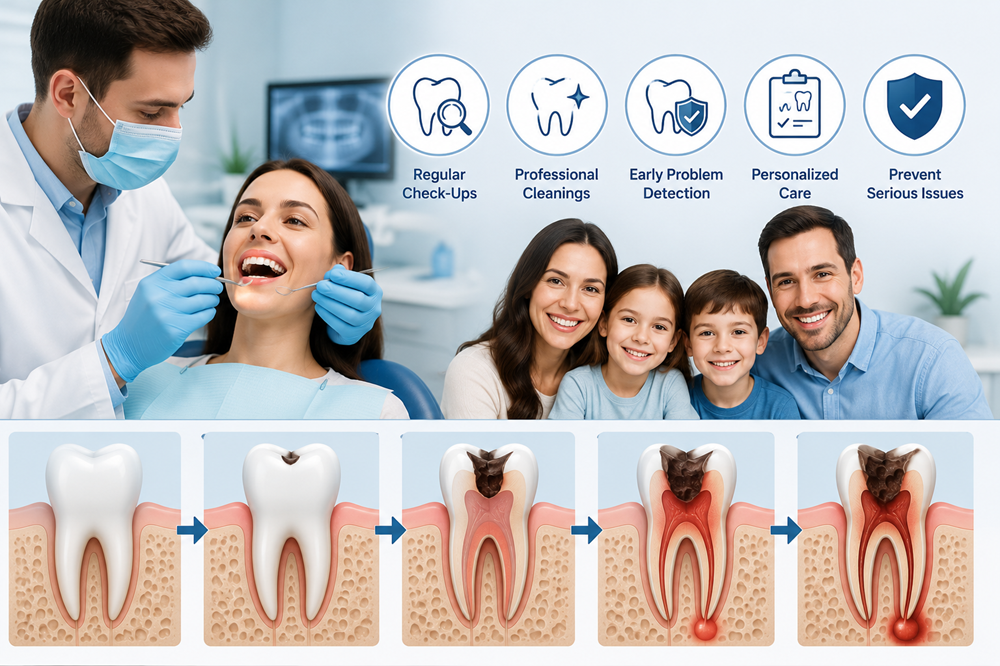
- Visit the dentist for regular checkups.
- Maintain healthy gums
With proper care, dental implants can last many years and provide strong chewing support.
Support Your Smile with Proper Implant Care!
Dental implants are a long-term solution for missing teeth, but proper aftercare is essential for successful healing. Following the right recovery steps helps protect the implant and supports healthy gums. At Northland Dental Choice, a team focuses on safe implant treatment and patient guidance to ensure a smooth recovery and long-lasting results.
Contact them today to schedule your consultation and learn more about dental implants.
FAQs
Can I brush my teeth after implant surgery?
Yes, but brushing should be gentle. Avoid the surgical area for the first few days and follow your dentist’s instructions.
Is swelling normal after dental implants?
Yes. Mild swelling is common for the first two or three days. Using ice packs and resting can help reduce swelling.
When can I return to normal eating?
Patients usually return to normal foods after the implant area begins healing. Soft foods are recommended during the early recovery period.
Are dental implants difficult to maintain?
No. Dental implants can be cared for just like natural teeth with regular brushing, flossing, and dental checkups.