Children’s teeth need special attention. Pediatric dentistry is the branch of dental care focused entirely on the oral health of children — from babies to teenagers. Starting early sets the foundation for a healthy smile that lasts. Understanding why pediatric dentistry matters helps parents make better decisions for their child’s health.
Children’s Teeth Are Different
Baby teeth may fall out eventually, but they are far from unimportant. They help children chew properly, speak clearly, and hold space for permanent teeth.
When baby teeth are lost too early, surrounding teeth can drift and block the path for adult teeth—often leading to crowding and orthodontic treatment later.
Taking your child to a provider of pediatric dentistry near you early helps prevent these problems before they start.
When Should a Child First See a Dentist?
Most dental associations recommend a first visit around your child’s first birthday, or when the first tooth appears. Many parents wait until a problem comes up, but early visits are about prevention.
At these appointments, the dentist will:
- Check that the teeth and jaw are developing properly
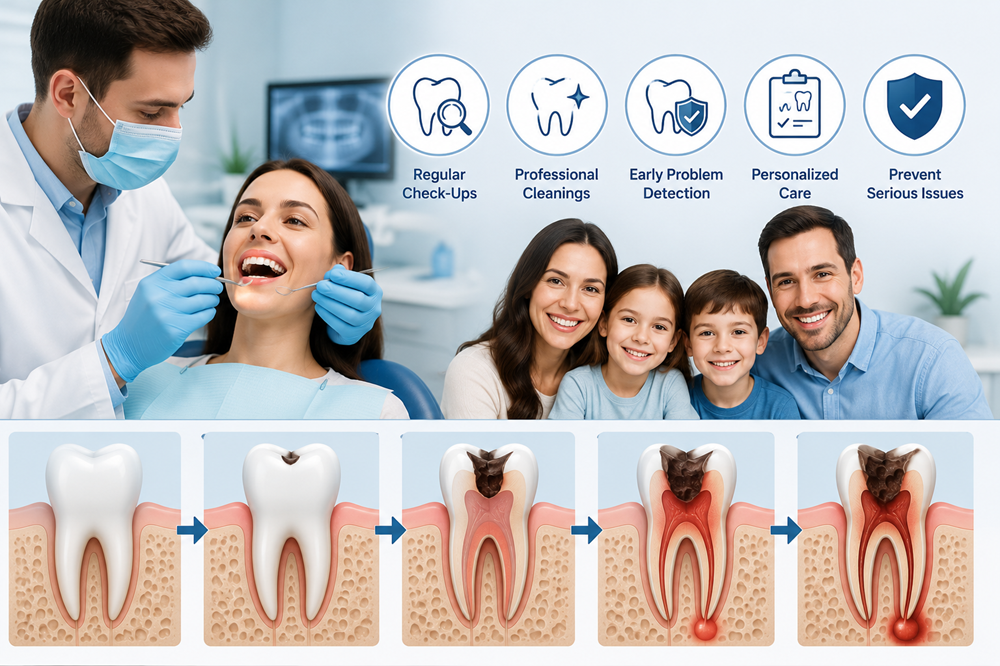
- Look for early signs of decay
- Clean the teeth gently
- Guide parents on home care and diet
What Makes Pediatric Dentists Different?
Pediatric dentists complete additional years of training focused on child development and behavior management. They know how to make young patients feel calm and comfortable.
Children often feel nervous about dental visits. A pediatric dentist builds trust over time, and those early positive experiences shape how a child feels about dental care for life.
At a good dental clinic near you, the environment is designed to feel welcoming—with friendly staff and a gentle approach that puts kids at ease.
Common Issues Pediatric Dentists Treat
Pediatric dentists are responsible for many issues, such as:
- Tooth decay or cavities
- Gum problems
- Crooked or crowded teeth
- Injuries from falls or accidents
- Thumb-sucking and other habits impacting tooth development
Most of these issues are easier and less distressing to identify when the problem is young than when the issue has progressed.
Good Habits Start Young
One of the biggest roles of pediatric dentistry is education. Teaching children how to brush and floss correctly and why check-ups matter builds habits that last.
Parents are also guided on fluoride use and diet—all part of building a strong foundation for lifelong oral health.
Give Your Child the Best Start—Visit Northland Dental Choice
Your child deserves dental care that is gentle, thorough, and designed with their comfort in mind. Early visits make a real difference—not just today, but for years to come.
At Northland Dental Choice, the team cares for young patients with warmth and expertise. Book your child’s first appointment today and start them on the path to a lifetime of healthy smiles.
Frequently Asked Questions
Q1: When should I start brushing my child’s teeth?
Start cleaning your baby’s gums before teeth appear, then brush as soon as the first tooth comes in.
Q2: Are dental X-rays safe for children?
Yes, children’s dental X-rays use very low radiation levels and are considered safe when used appropriately.
Q3: What should I do if my child knocks out a tooth?
Contact your dental office right away. Keep a permanent tooth moist and get to the dentist as fast as possible.
Q4: How often should children visit the dentist?
Most children benefit from a check-up every six months, though your dentist may suggest a different schedule.